
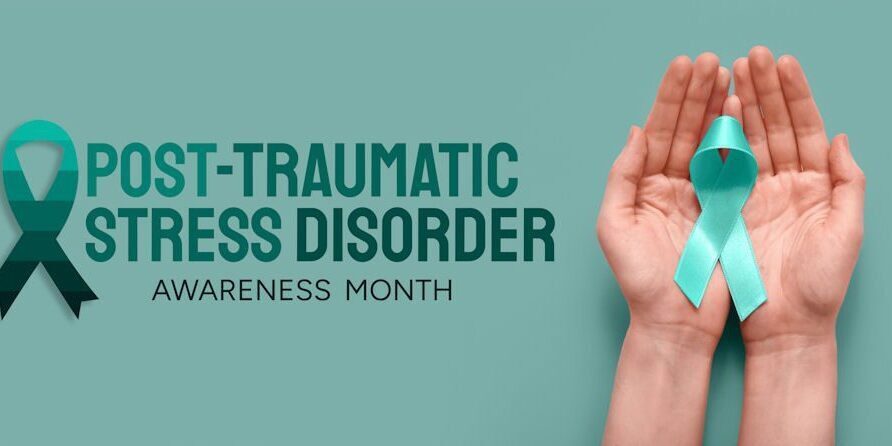
June is often seen as a month of warmth, light, and new beginnings—the vibrant onset of summer. Yet, within this bright season lies a crucial time for reflection, education, and support: PTSD Awareness Month. This annual observance calls us to illuminate the shadows around Post-Traumatic Stress Disorder (PTSD) by raising awareness about the condition, its prevalence, the treatments available, and the ongoing journey toward healing.
Led by organizations such as the National Center for PTSD and supported by mental health advocates worldwide, this month fosters a safe environment where individuals feel empowered to seek help. It also encourages communities to offer meaningful support and amplify stories of resilience and recovery. Ultimately, it’s about making the invisible visible—so no one has to face the aftermath of trauma alone.
What is PTSD?
Post-traumatic stress disorder is a mental health condition that can develop after an individual experiences or witnesses a terrifying, life-threatening, or deeply distressing event. While it’s historically been associated with combat veterans, and their experiences are undeniably significant, PTSD can affect anyone, regardless of age, gender, or background.
The types of traumatic events that can lead to PTSD are varied and intensely personal. They can include, but are not limited to:
- Combat exposure and military experiences
- Physical or sexual assault
- Childhood abuse (physical, emotional, or sexual)
- Serious accidents (e.g., car crashes, fires)
- Natural disasters (e.g., earthquakes, hurricanes, floods)
- Terrorist attacks
- Torture, kidnapping, or hostage situations
- The unexpected death of a loved one
- Life-threatening medical diagnoses or experiences
It’s important to remember that experiencing trauma doesn’t always lead to PTSD. Many people will experience short-term distress, which is a normal reaction. However, for some, the symptoms persist, intensify, and significantly interfere with daily life, leading to a PTSD diagnosis.
Key Symptoms of PTSD
In observance of PTSD Awareness Month, it’s important to recognize how PTSD can affect individuals differently. Symptoms typically fall into four main categories, and understanding these signs is key to offering support and raising awareness.
These include recurring, unwanted, distressing memories of the traumatic event, flashbacks where the event feels like it’s happening again, upsetting dreams or nightmares, and strong emotional or physical reactions to reminders of the trauma.
People often avoid thinking or talking about the traumatic event and may distance themselves from places, activities, or individuals that bring back painful memories. This can result in social withdrawal and a shrinking of their world.
This involves persistent negative beliefs about oneself, others, or the world (e.g., “I am bad,” “No one can be trusted”), ongoing feelings of fear, anger, guilt, or shame, loss of interest in important activities, feeling detached from others, and difficulty experiencing positive emotions.
Symptoms can include being easily startled, constantly feeling on edge (hypervigilance), engaging in risky or self-destructive behaviors, trouble sleeping, difficulty concentrating, irritability, angry outbursts, aggressive behavior, and overwhelming guilt or shame.
Why PTSD Awareness Month is Critically Important
Dedicating a month to PTSD awareness serves several vital purposes that contribute to building a more compassionate and informed society:
The stigma surrounding mental health can often make it difficult for people to reach out and ask for help. PTSD Awareness Month challenges these negative perceptions by encouraging open conversations, providing accurate information, and emphasizing that PTSD is a treatable medical condition, not a weakness.
People often avoid thinking or talking about the traumatic event and may distance themselves from places, activities, or individuals that bring back painful memories. This can result in social withdrawal and a shrinking of their world.
By raising awareness of PTSD symptoms and effective treatments, the month motivates those struggling to seek professional support, reminding them they are not alone and recovery is possible.
Many misunderstand PTSD. Awareness campaigns clarify what PTSD is, who it affects, and how it manifests, empowering friends, family, employers, and communities to offer informed support.
PTSD impacts not only those diagnosed but also their loved ones. Awareness Month provides resources to help families understand, support, and cope with the challenges of PTSD.
The month stresses that evidence-based treatments exist and recovery is achievable, inspiring hope and encouraging individuals to engage in their healing journey.
Early recognition and treatment of PTSD lead to better outcomes. Awareness efforts help people identify symptoms in themselves or others and seek timely care.
Greater public awareness fosters support for PTSD research, prevention strategies, improved treatments, and better funding for mental health services.
PTSD in Houston, Texas

Houston, Texas, has faced significant challenges related to PTSD, particularly following major traumatic events:
In 2017, Hurricane Harvey devastated Houston, leading to widespread flooding and displacement. A study found that 12.6% of residents surveyed reported PTSD symptoms more than three years after the disaster.
The COVID-19 pandemic further exacerbated mental health issues. Research indicates that individuals in lower-income neighborhoods experienced higher rates of PTSD symptoms, highlighting the intersection of socioeconomic factors and mental health.
Women in the Greater Houston area are particularly affected by PTSD. Around 1 in 10 women will experience PTSD during their lifetime, with many cases linked to experiences of sexual trauma.
The homeless population in Houston also faces elevated rates of PTSD, often compounded by substance abuse and lack of access to mental health services.
How You Can Get Involved
During PTSD Awareness Month, there are many meaningful ways you can contribute to supporting individuals affected by post-traumatic stress disorder (PTSD). Here are some actions to consider:
Take the time to learn about what PTSD is, its symptoms, and how it affects people’s lives. Share accurate and compassionate information with friends, family, and your community to raise awareness and reduce stigma around mental health challenges. Understanding PTSD helps create a more supportive environment for those who are struggling.
Many community-based mental health services rely on volunteers and donations to provide essential care. Consider offering your time to volunteer or making financial contributions to organizations that assist individuals with PTSD. Supporting these groups helps increase resources and improve access to treatment for those who need it.
Use your voice to promote policies and initiatives that expand access to quality mental health care. Urge community leaders and policymakers to invest in programs and resources that support trauma recovery and PTSD treatment. Advocacy can lead to systemic changes that make a real difference in the lives of affected individuals.
If you or someone you know is experiencing symptoms of PTSD, do not hesitate to seek professional help. Contact reputable centers for specialized treatment and support. Early intervention can significantly improve outcomes and provide the tools necessary to manage PTSD effectively.
By actively participating in these efforts during PTSD Awareness Month, you help build a community that understands, supports, and uplifts those living with PTSD.
Evidence-Based Treatment Options for PTSD

With the right support and care, healing from PTSD is not only possible—it’s within reach. Several proven approaches can help individuals manage symptoms and regain control of their lives.
Talk therapy is effective for PTSD, especially trauma-focused approaches. Cognitive Behavioral Therapy helps reframe negative thoughts, trauma-informed therapy prioritizes safety and empowerment, and EMDR therapy supports healing by reprocessing distressing memories. These are guided by trained professionals and tailored to each person.
Group therapy in Houston, TX, provides a supportive environment where individuals can connect with others who have gone through similar experiences. It helps reduce isolation, build trust, and learn coping skills through guided conversations led by a therapist.
Medication management can help relieve symptoms such as anxiety, depression, and sleep disturbances. Commonly prescribed SSRIs like sertraline and paroxetine are often used to treat PTSD. These medications work best when paired with therapy and managed under the guidance of a healthcare professional.
Mindfulness, yoga, nutrition, and creative therapies like art or music can support emotional balance and stress relief. These are best used alongside traditional treatments to promote overall wellness.
A team-based approach to PTSD treatment brings together professionals from different fields to provide well-rounded, personalized care. Therapists, doctors, and wellness specialists work collaboratively to address each individual’s mental, emotional, and physical health needs. This coordinated support system helps ensure more effective treatment and long-term recovery.
The Lovett Center offers PTSD Treatment in Houston, Texas
The Lovett Center is a reliable and supportive space in Houston for individuals navigating PTSD and other mental health challenges. Known for its blend of clinical expertise and compassionate care, our center offers personalized, evidence-based treatment tailored to each client’s needs. More than a treatment center, The Lovett Center is a place of healing, hope, and renewed purpose for those on the path to recovery. Contact us today to begin.
https://pubmed.ncbi.nlm.nih.gov/32019618/
https://pmc.ncbi.nlm.nih.gov/articles/PMC3148295/
https://pmc.ncbi.nlm.nih.gov/articles/PMC9764935/
https://pmc.ncbi.nlm.nih.gov/articles/PMC10008755/
https://pmc.ncbi.nlm.nih.gov/articles/PMC10447846/
https://www.ptsd.va.gov/understand/common/common_veterans.asp
https://www.ptsd.va.gov/professional/treat/specific/ptsd_research_women.asp
https://digitalcommons.library.tmc.edu/cgi/viewcontent.cgi?article=1568&context=baylor_docs

Robert is deeply committed to serving others and is passionate about hope and despair in clinical treatment. With over 20 years in addiction and mental health, he has experience in private practice, clinical supervision, and program management, co-founding The Lovett Center and Ethos. He earned a Master’s degree from the University of Houston’s Graduate College of Social Work, which honored him as a 50 for 50 Alumni in 2019. His education includes fellowships at the Center for Psychoanalytic Studies and The Menninger Clinic, where he held leadership roles and received the Menninger Clinic Pillar Award for Integrity. The Houston Business Journal recognized him as a 40 Under 40 Class of 2018 Honoree.