
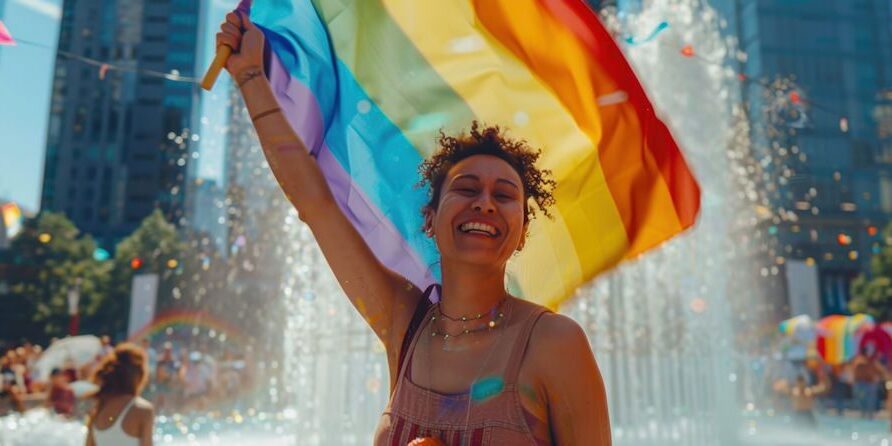
LGBTQ Pride Month is a time to celebrate love, equality, and self-expression for people of all sexualities and gender identities. It takes place every June and honors the strength, struggles, and achievements of the LGBTQ community.
The month is a reminder that everyone deserves to live openly and without fear. It’s also a time to reflect on how far we’ve come and how far we still need to go.
LGBTQ Pride Month celebrates the bravery of those who fought for LGBTQ rights and honors those who continue to work toward acceptance and equality. It supports people of all backgrounds and identities who want to be accepted for who they are.
Celebrations often include parades, art shows, community talks, and pride-themed events. These create spaces where people feel seen, safe, and connected. It’s not just about fun—it’s about being proud of who you are and knowing you’re not alone.
At The Lovett Center, we stand strong in supporting and defending LGBTQ rights every day. We offer a safe and inclusive space where people can heal, connect, and feel fully accepted.
A Brief History of Pride Month
The fight for LGBTQ equality gained momentum after the Stonewall Riots in June 1969. That night, LGBTQ individuals at the Stonewall Inn in New York City refused to accept ongoing discrimination, standing together against an unjust police raid and inspiring a movement for change. It became a turning point in the LGBTQ rights movement.
Each year, more people joined marches to stand up for acceptance and visibility. Over the decades, Pride events grew into powerful celebrations of love, identity, and courage.
LGBTQ Pride Month now includes parades, art, education, and support for the community worldwide. It reminds us of past struggles while inspiring hope for a more inclusive future.
Pride began as a protest, and that spirit still lives on today. While progress has been made, many LGBTQ individuals still face hate, harm, and discrimination. Pride is both a celebration and a call to continue fighting for justice and equality.
What the LGBTQ Acronym Stands For
The LGBTQ+ acronym encompasses a diverse range of identities and experiences. It helps people understand and respect the diversity within the queer community. These terms are important because they allow people to describe their true selves. Here’s what each letter stands for:
- L – Lesbian: A woman who feels romantic or sexual attraction to other women.
- G – Gay: A person, often a man, who is attracted to people of the same gender.
- B – Bisexual: A person who experiences attraction to more than one gender.
- T – Transgender: Someone whose gender identity is different from the sex they were assigned at birth.
- Q – Queer or Questioning: A term some use to describe a fluid identity or for people still exploring their gender or sexuality.
Each identity has its own experiences, challenges, and joys. No one term fits all, and that’s okay. What matters is that each person is respected for who they are without judgment or shame.
Understanding Gender Identity and Sexual Orientation
Gender identity is how a person sees themselves—male, female, both, neither, or somewhere in between. It’s how a person understands and expresses their gender. It may or may not align with their assigned sex at birth. Sexual orientation is about who someone is emotionally, romantically, or physically attracted to. These are separate but important parts of a person’s identity. Respecting both helps people feel accepted, valued, and safe.
Not everyone fits into a simple label, and that’s perfectly normal. People may need time to understand themselves fully. What matters most is giving them space and support without pressure or assumptions.
Understanding these concepts helps reduce confusion and stigma. It also supports mental health by allowing people to live authentically. When people feel accepted, they are less likely to experience loneliness or depression. This acceptance can improve relationships, self-esteem, and overall well-being. Learning about gender and orientation is a step toward building a more inclusive world.
Why Inclusive Language Matters
Inclusive language shows respect for everyone’s identity and experiences. Using the right words helps people feel seen and heard. It also reduces harm and avoids reinforcing negative stereotypes. Language can build trust and create spaces where everyone feels welcome.
Words can carry weight, whether we realize it or not. When we choose words that respect people’s identities, we create kinder communities. It’s a simple act that can make someone feel safe, valued, and loved.
Inclusive language also challenges prejudice and promotes equality. It helps break down barriers that can cause isolation or discrimination. In schools, workplaces, and social settings, respectful language fosters understanding and cooperation. Being mindful of language is an ongoing practice that benefits everyone. Small changes in how we speak can lead to big differences in how people feel included.
Mental Health and Addiction Challenges in the LGBTQ Community
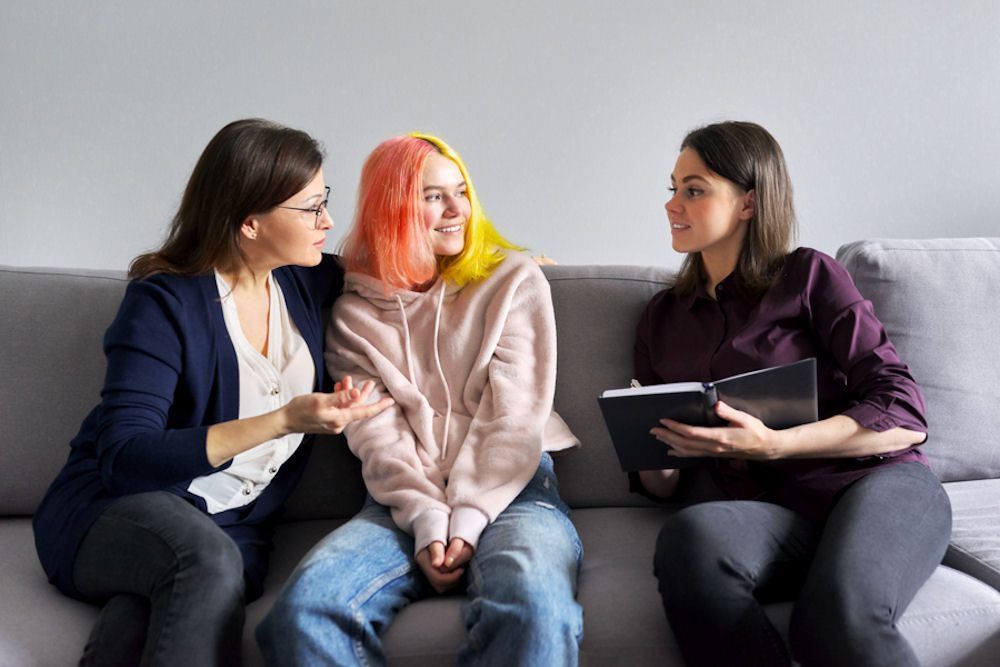
Many LGBTQ individuals face higher risks for mental health struggles and substance use. These challenges are not caused by their identity but by how they are treated by others.
Rejection from family, discrimination, bullying, and isolation can all cause deep emotional pain. For some, these experiences start at a young age and continue into adulthood. Constant stress can lead to anxiety, depression, or trauma that may go untreated. In Texas, 66% of LGBTQ youth have reported experiencing anxiety, while 55% have struggled with depression.
Some people may use drugs or alcohol to cope with shame, fear, or sadness. Over time, this can lead to drug addiction. Others may avoid seeking help because they fear being judged or misunderstood by healthcare providers. In 2024, more than 40% of LGBTQ youth in Texas thought about suicide, and 13% attempted.
Transgender individuals often face even greater risks. They may struggle to find affirming care or feel unsafe in treatment settings. This can make recovery harder and increase feelings of loneliness or hopelessness.
Support systems also matter. Without acceptance from family, friends, or community, many LGBTQ people feel like they have nowhere to turn. This lack of support makes healing more difficult.
Everyone deserves help that respects who they are. Recognizing the challenges LGBTQ individuals face is essential to offering the right kind of support and care.
The Role of Allies in Creating Change
Allies play a powerful role in supporting the LGBTQ community. An ally is a person who supports others, even if they don’t share the same background or identity. Good allies listen without judgment and speak up when they see injustice. They educate themselves and others about LGBTQ issues. They also use their voice to amplify those who are often ignored.
Being an ally isn’t about perfection—it’s about showing up, listening, and offering support. Small acts of kindness and inclusion can make a big impact, helping to create safer schools, workplaces, and communities. When more people stand together, real change becomes possible.
Many LGBTQ people face unfair treatment, bullying, and challenges with their mental health. Allies can help reduce harm and build trust in everyday life by:
- Using Inclusive Language: Use correct pronouns and respectful terms. This shows you see and value someone for who they truly are.
- Challenging Anti-LGBTQ Behavior: Speak up when you hear hurtful jokes or comments. Silence allows bias to grow.
- Educating Yourself: Read, listen, and learn about LGBTQ history, rights, and lived experiences. Don’t rely on LGBTQ people to teach you everything.
- Supporting LGBTQ Spaces and Events: Attend Pride events, donate to LGBTQ causes, or support inclusive businesses. Visibility helps build stronger, more welcoming communities.
- Listening with Empathy: Sometimes just being there matters most. Let people share their stories without trying to fix or judge them.
Change starts with everyday actions. Allies are vital in making the world a safer, kinder place for LGBTQ individuals.
How The Lovett Center Supports the LGBTQ Community
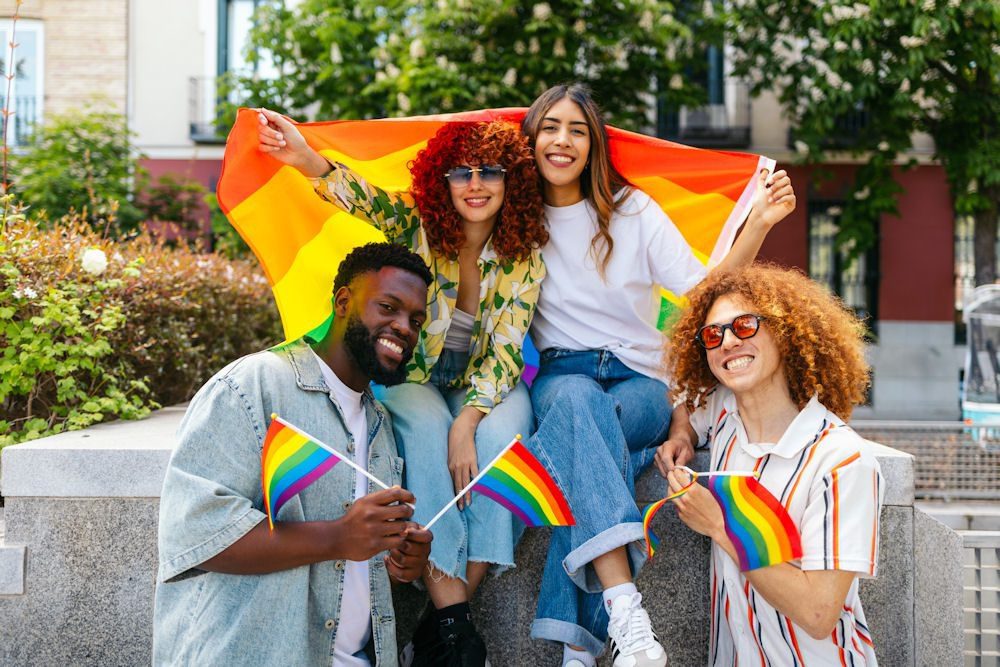
At The Lovett Center, we provide a safe, affirming space where LGBTQ individuals can find support, healing, and community. Our inclusive therapists understand the unique challenges faced by queer individuals and offer personalized care that respects each person’s identity. Whether you’re seeking therapy, LGBTQ group therapy in Houston, Texas, or simply a place where you feel seen and heard, The Lovett Center is here for you.
LGBTQ youth in supportive communities attempted suicide at less than half the rate of those in unwelcoming environments. We believe everyone deserves to feel accepted and supported, and during LGBTQ Pride Month. Mental health struggles, identity concerns, and past trauma should never be faced alone. That’s why we’re committed to creating a welcoming environment where you feel free to be yourself.
If you’re struggling to navigate your identity or heal from the challenges you’ve experienced, we’re here to help. Reach out today to connect with someone who understands and truly cares.

Robert is deeply committed to serving others and is passionate about hope and despair in clinical treatment. With over 20 years in addiction and mental health, he has experience in private practice, clinical supervision, and program management, co-founding The Lovett Center and Ethos. He earned a Master’s degree from the University of Houston’s Graduate College of Social Work, which honored him as a 50 for 50 Alumni in 2019. His education includes fellowships at the Center for Psychoanalytic Studies and The Menninger Clinic, where he held leadership roles and received the Menninger Clinic Pillar Award for Integrity. The Houston Business Journal recognized him as a 40 Under 40 Class of 2018 Honoree.