What we treat
For intrusive memories, hypervigilance, and the nights that will not settle, treated with proven trauma therapies.
For veterans & their families
Confidential outpatient mental health and addiction care for veterans and their families in Houston. Trauma-informed therapy, EMDR, and intensive outpatient treatment for PTSD, depression, and the ways service can follow you home, without stepping away from your life.
In person in Montrose, and online anywhere in Texas.
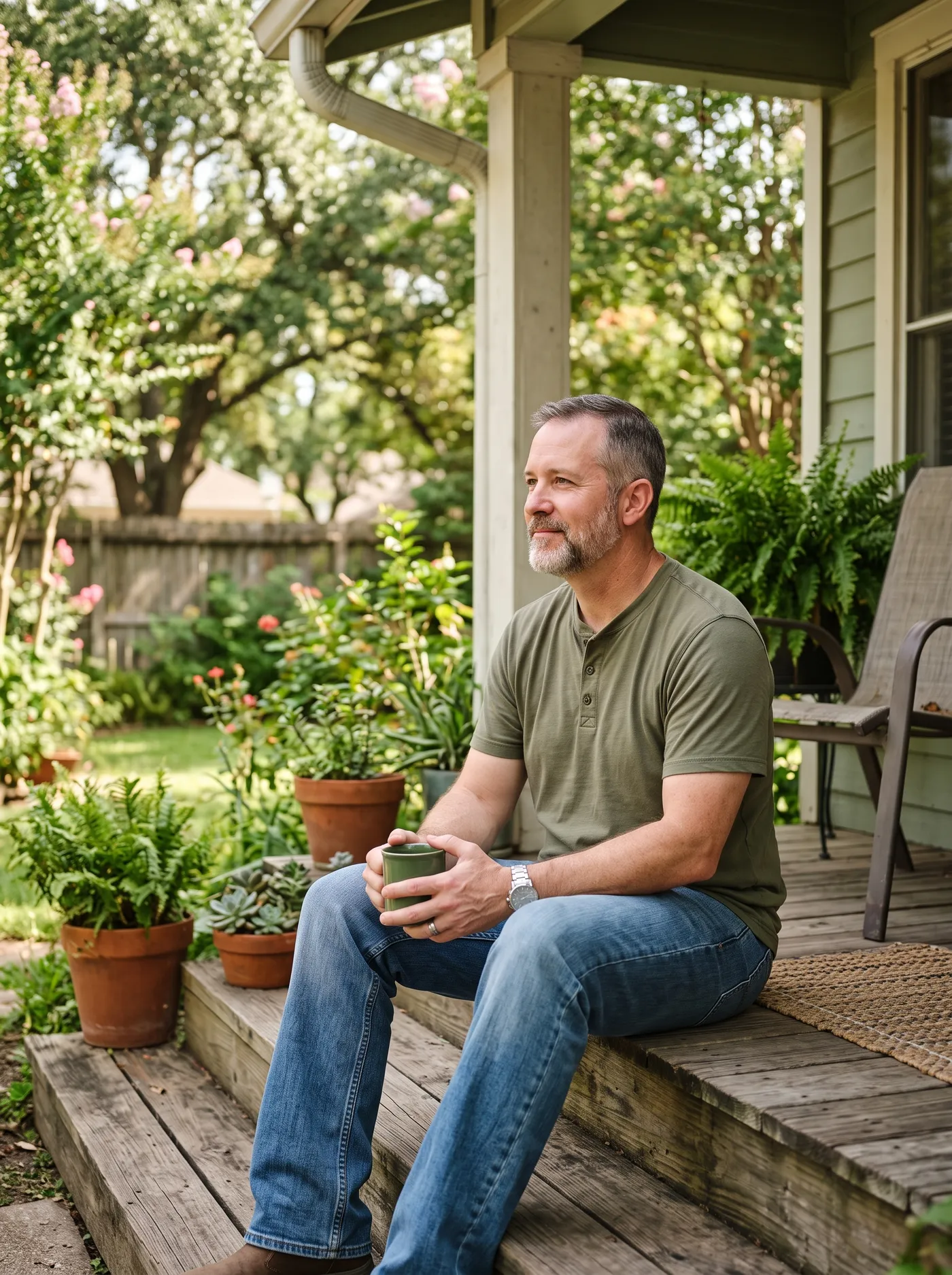
Who this is for
Not every wound is visible. Many veterans carry sleepless nights, a short fuse, memories that intrude without warning, or a drink that quietly became the way to cope, long after the uniform comes off. You do not have to be in crisis, and you do not have to have seen combat, for any of this to be worth treating.
Post-traumatic stress is common, and it is treatable. The National Institute of Mental Health explains that PTSD sets in when symptoms last well beyond a traumatic event and start to interfere with daily life, and that proven therapies and medication can help people recover. Most people who live through trauma do not develop PTSD, and those who do can get better.
At The Lovett Center, veterans and their families are cared for through the same trauma-focused outpatient work we do every day, shaped around your life rather than a duty schedule. For national resources you can use any time, SAMHSA maintains a guide to support for veterans, and the Veterans Crisis Line is available around the clock by dialing 988 and pressing 1. The work here is delivered by our licensed clinical team.

What makes it fit
The same clinical depth as the rest of Lovett, arranged around trauma, service, and the realities of coming home.
PTSD responds to real treatment. We use EMDR and trauma-informed therapy, two of the most established approaches for processing traumatic memory, so the past stops running the present.
How EMDR worksCognitive behavioral therapy and dialectical behavior therapy give you concrete tools for the flashbacks, the anger, the sleepless nights, and the urge to numb it all out.
Inside DBTUsing alcohol or substances to manage trauma is common, and treating one without the other rarely holds. We treat co-occurring PTSD and substance use together, in one plan, without judgment.
Dual diagnosis careYou do not have to leave your family, your job, or your home to get real treatment. Evening intensive outpatient and secure video across Texas mean structured care without disappearing for a month.
Inside our IOPService touches the whole household. Family and couples therapy help the people closest to you understand what you are working through and rebuild the connection that distance and deployment can strain.
Family therapyYou do not have to be at rock bottom to come in. Whether you are in the thick of it or just tired of white-knuckling it, care here meets you where you are and moves at a pace you can sustain.
The care behind it
Whatever brought you here, this is the care it links to.
What we treat
For intrusive memories, hypervigilance, and the nights that will not settle, treated with proven trauma therapies.
Levels of care
Evening and daytime structure several days a week while you keep living at home.
Levels of care
Integrated care for when trauma and substance use have become tangled together.
What we treat
For the heaviness, numbness, and loss of interest that can settle in after service.
How we work
A structured, evidence-based therapy for processing traumatic memory so it loses its grip.
Levels of care
The same intensive care by secure video, anywhere in Texas, if getting to Montrose is hard.
Common questions
Yes. Veterans and their families are welcome at The Lovett Center, and we care for them through the same trauma-focused outpatient treatment we provide every day. That includes therapy for PTSD, depression, anxiety, and substance use, matched to what you actually need rather than to your service record. You do not need a diagnosis or a referral to begin, just one conversation.
PTSD and trauma treatmentIn most cases, yes. Trauma and PTSD are commonly treated in an outpatient setting, and that is what we offer, with EMDR and trauma-informed therapy delivered through intensive outpatient, day programming, or weekly sessions. You keep living at home and stay connected to your family while you do the work, and if a higher level of care is ever needed, we help you get there.
How EMDR worksIt is the same clinical care, shaped around service and its aftermath. In practice that means trauma therapy like EMDR, skills-based work through CBT and DBT, treatment for co-occurring drinking or substance use, and family therapy when the people at home are part of the picture. Care is outpatient, in person in Montrose or by secure video across Texas.
See all our specialtiesIn many cases, yes. The Lovett Center is in network with major insurers including Aetna, Blue Cross Blue Shield, Cigna, Curative, UnitedHealthcare, Optum, Magellan, and TriWest, and we also work with out-of-network benefits and self-pay. Because coverage depends on your plan, the surest way to know is to verify your benefits with us.
Verify your insuranceOften, yes. Our intensive outpatient program offers evening and after-work options, and sessions can be held by secure video anywhere in Texas, so treatment fits around a job, a family, and the drive from wherever you live. For a lot of veterans that flexibility is the difference between getting care and putting it off.
Virtual IOPIf you are a veteran in crisis, reach the Veterans Crisis Line any time by calling or texting 988 and pressing 1, or by texting 838255, for free and confidential support. If you or someone else is in immediate danger, call 911. When you are safe, we are here for the ongoing work, and you can call us at (713) 589-5991 to talk about starting care.
Talk to our teamFor veterans & their families
One confidential conversation is all it takes to start. Tell us what is going on, and we will help you find care that fits your life, in person in Montrose or by secure video across Texas. No uniform, referral, or diagnosis required.
If you are a veteran in crisis, call or text 988 and press 1 for the Veterans Crisis Line, or 911 in an emergency.